NAVIGATE Building Solutions
September 3, 2026

Historic preservation adds another layer of consideration to a renovation project. For buildings that have served their communities for decades or even centuries, the goal is not simply to update the space, but to determine how it can meet today's needs while respecting its history.
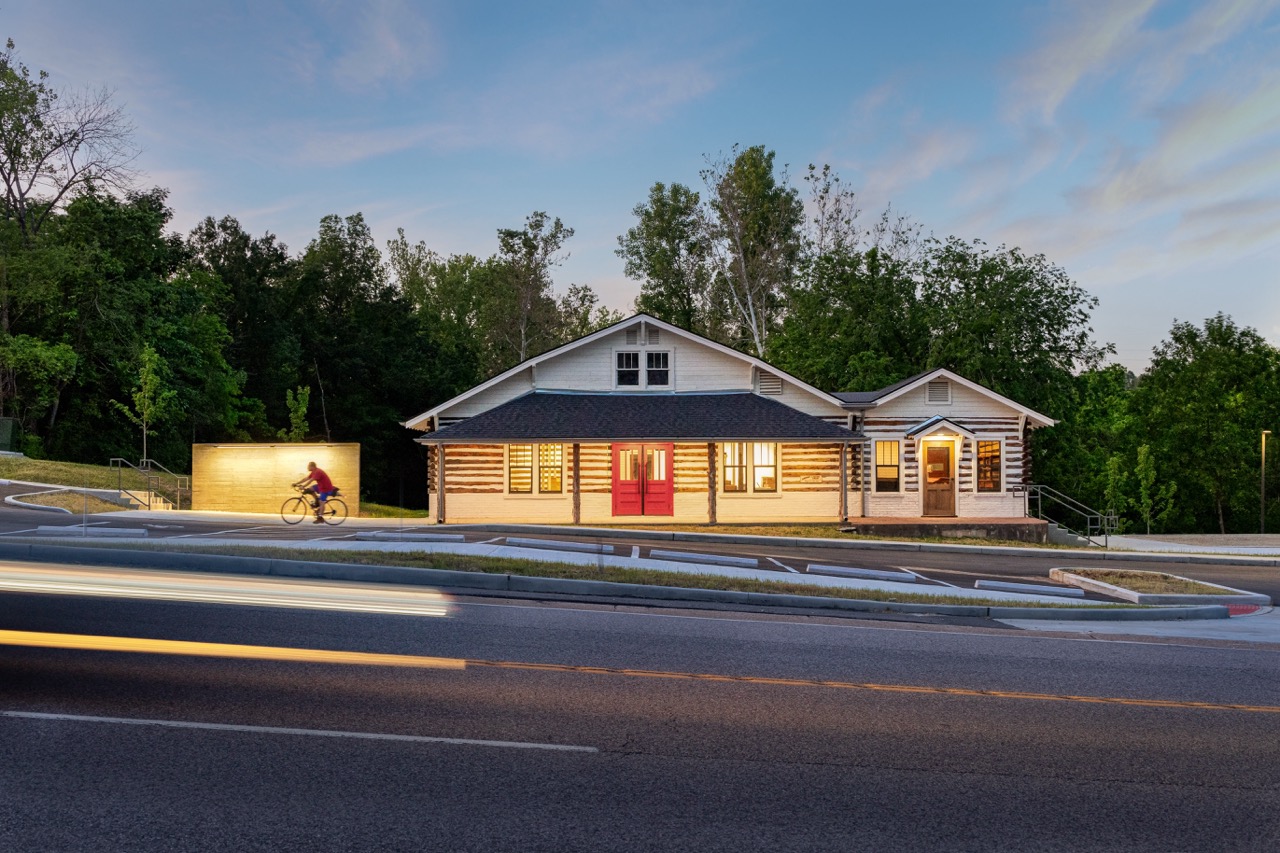
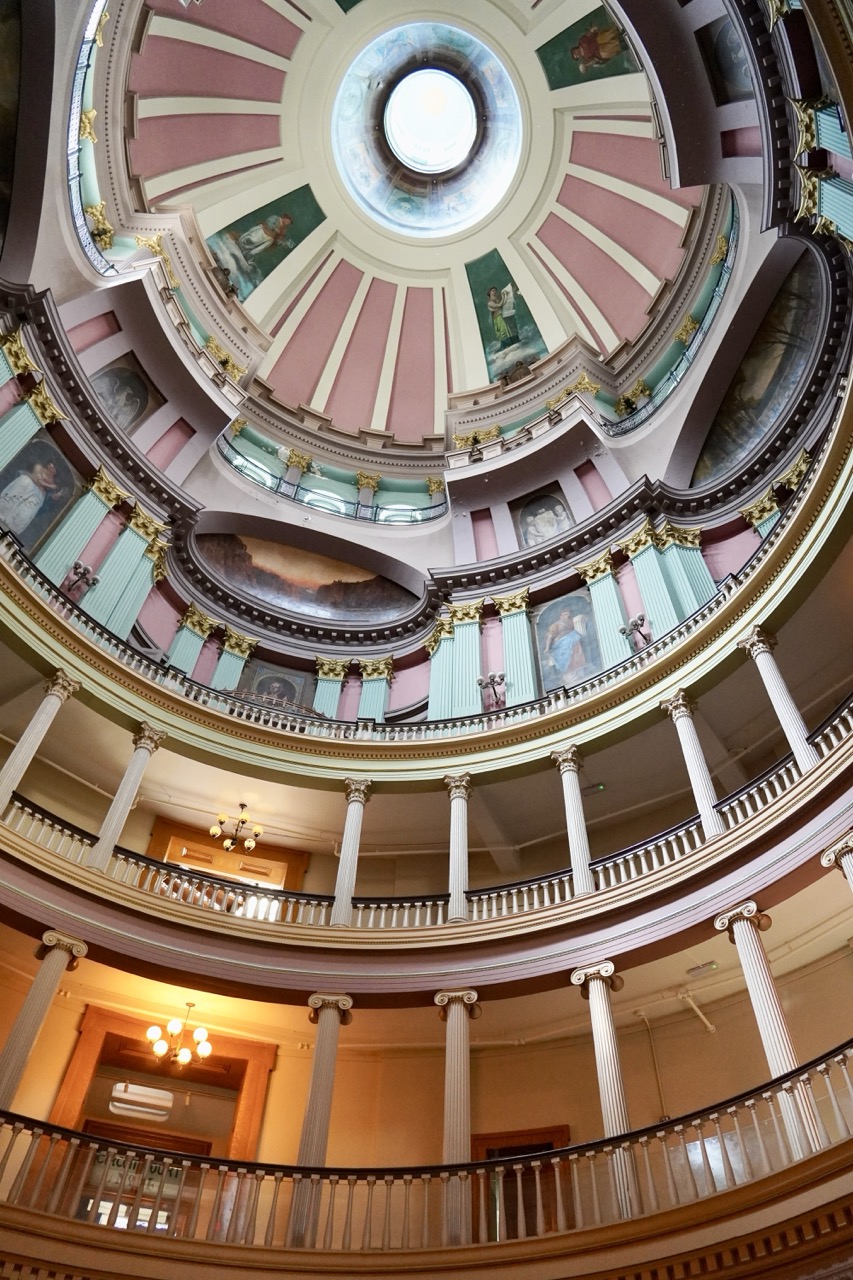
NAVIGATE has experience supporting historic preservation and adaptive reuse across a range of historic buildings, from park pavilions and community buildings built in the late 1800s to courthouses, former schools, museums, and civic facilities built throughout the early 1900s. Our work includes projects for Tower Grove Park, Cape Girardeau County, the U.S. General Services Administration, the National Park Service, and many other public and community organizations throughout the region.
As an Owner's Representative, NAVIGATE helps clients work through the unique challenges that come with renovating a historic building. Decisions about what to preserve, restore, replace, or repurpose require careful coordination between the project team, the client, and historic preservation requirements. The goal is to make improvements that support the building's current use without losing the character that makes it significant.
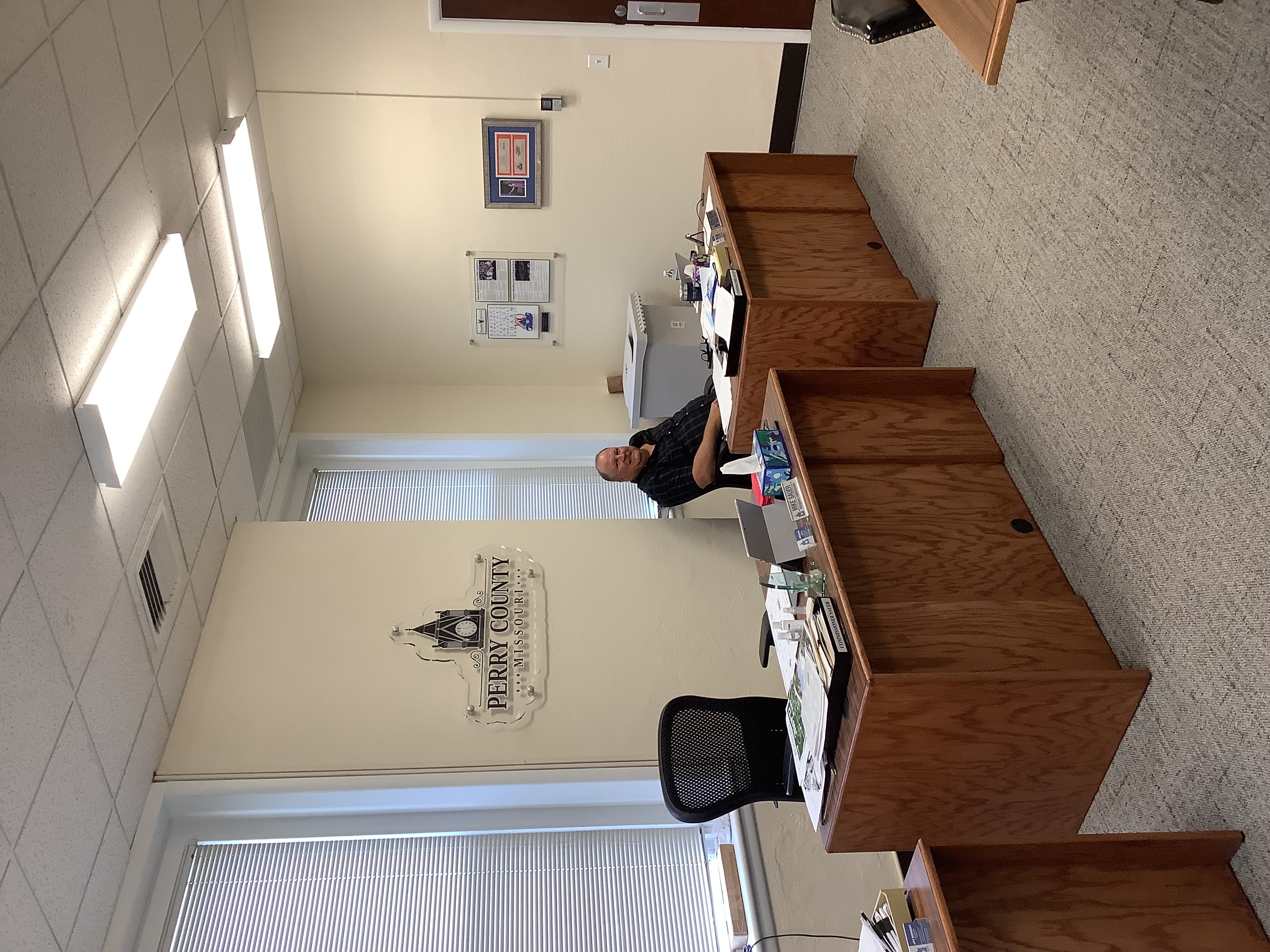
The Perry County Courthouse in Missouri is one example. NAVIGATE, acting as a design build criteria consultant, providing bridging documents, preconstruction, and construction services for the courthouse renovation, with a focus on maintaining the historic corridors and entrances while adapting the space for continued use. As part of the renovation, a conference room and interview room that had been added during an earlier renovation was removed, allowing the original corridor area to be restored to its historic layout.
Budgeting for the unknown is part of the work. Historic buildings rarely give up all their secrets in a set of drawings. Conditions behind a wall, beneath a floor, or above a ceiling can shift a project's scope once construction begins, and preservation requirements can add cost that a typical renovation would not carry. Drawing on cost history from our own portfolio of historic projects, NAVIGATE helps clients set realistic budgets and contingencies from the outset, rather than relying on assumptions that do not hold up once work begins. We also help guide the design team in scoping the right amount of exploratory investigation, including selective demolition, probes, and testing, early enough to uncover conditions before they become costly surprises in construction. Through the project, we track cost against scope so our clients are not caught off guard, and when something unexpected does surface, we help the team evaluate options quickly and transparently, keeping the owner's priorities and their budget both in view. For public sector clients especially, that means clear reporting and defensible decisions at every stage, not surprises at the end.
For historic projects, preservation is not always about keeping everything exactly as it is. It can also mean finding appropriate ways to restore, reuse, and adapt a building so it can continue serving the community. As an Owner's Representative, NAVIGATE helps guide those decisions, manage the budget realities that come with them, and coordinate the approvals needed to balance preservation with the project's current needs.